A cold room for blast-frozen chicken and one for fresh vegetables look similar from outside and are built completely differently. Pick the product you handle — the temperature zones, room layout and equipment follow from there.

Blast freezing, frozen storage, chilled rooms and processing areas — with the hygiene zoning that goes with them.

From bleeding and evisceration rooms to blast freezers and finished-goods storage, sized around daily head count.

Pre-cooling, holding rooms and low-temperature storage — page in preparation; tell us your crop and we will size it now.
| Sector | Rooms and design temperatures | Reference standard |
|---|---|---|
| Meat processing | Blast freezer −30 to −35°C · frozen storage −18°C · chilled storage 0 to 5°C · curing and resting 0 to 4°C · packing rooms 10 to 12°C | GB 12694-2016 |
| Poultry & slaughter | Blast freezer −30 to −35°C · frozen storage −18°C · cutting and packing 10 to 12°C · evisceration and blood rooms 20 to 25°C | GB 18654-2015 |
| Fruit & vegetables | Fresh-keeping 0 to 5°C · low-temperature storage −18 to −25°C, depending on crop and holding time | Project practice |
Ranges above are design references from the Chinese national hygiene standards for these sectors. Your actual room list follows your process flow and local regulations — send us the flow and we map it out.
We turn your process into a room list: what goes in each room, at what temperature, how many tonnes a day. This is where most projects go wrong later.
Panels, unit selection, air cooler placement, defrost method, drainage and electrical — drawn before anything is manufactured.
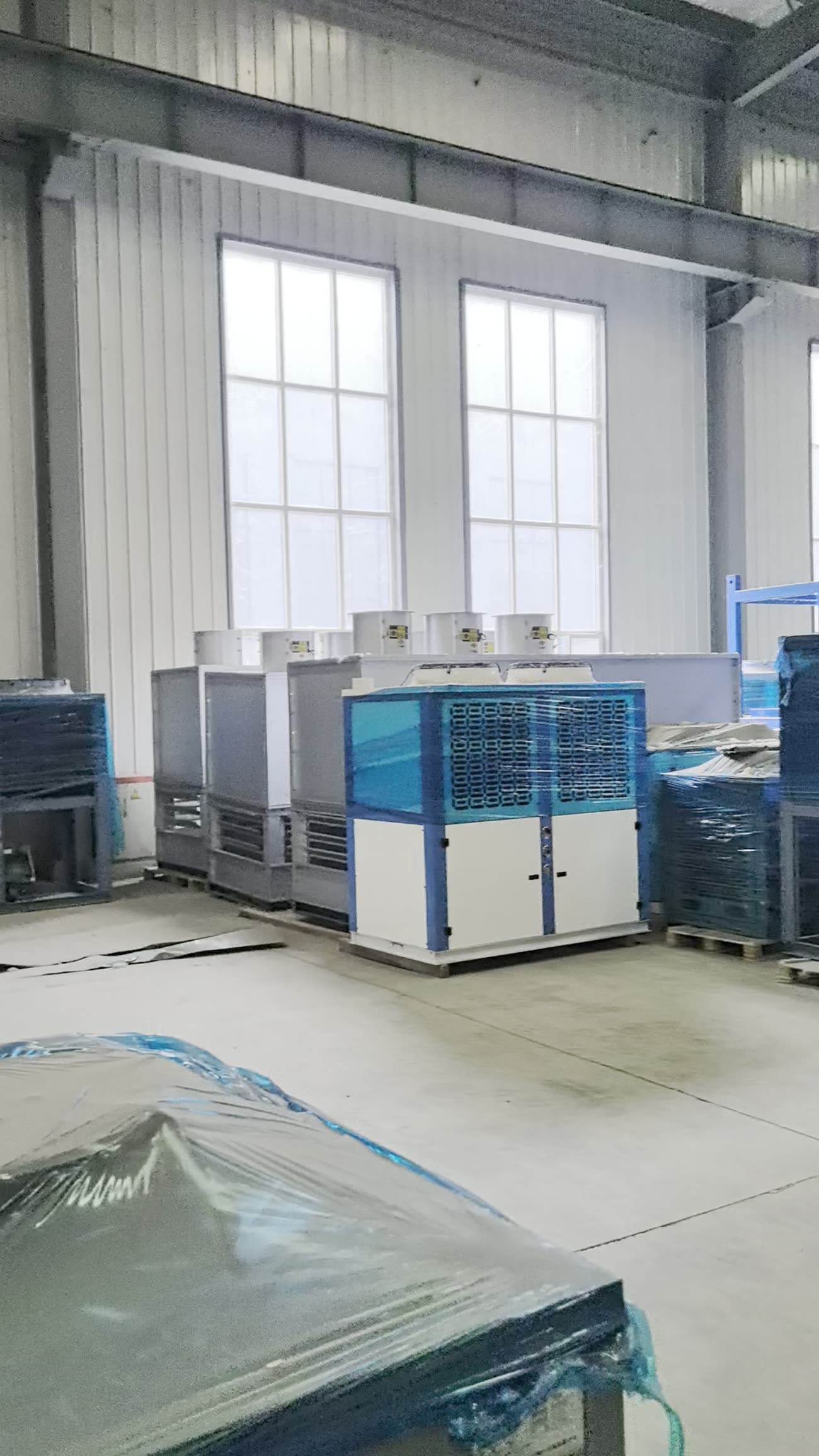
Panels and units are made in our own factory; installation and commissioning are done by the same team that designed it.
We will send back a room list with temperatures and an indicative price — usually within one business day.